The Unmet Need of Cell Cultivation
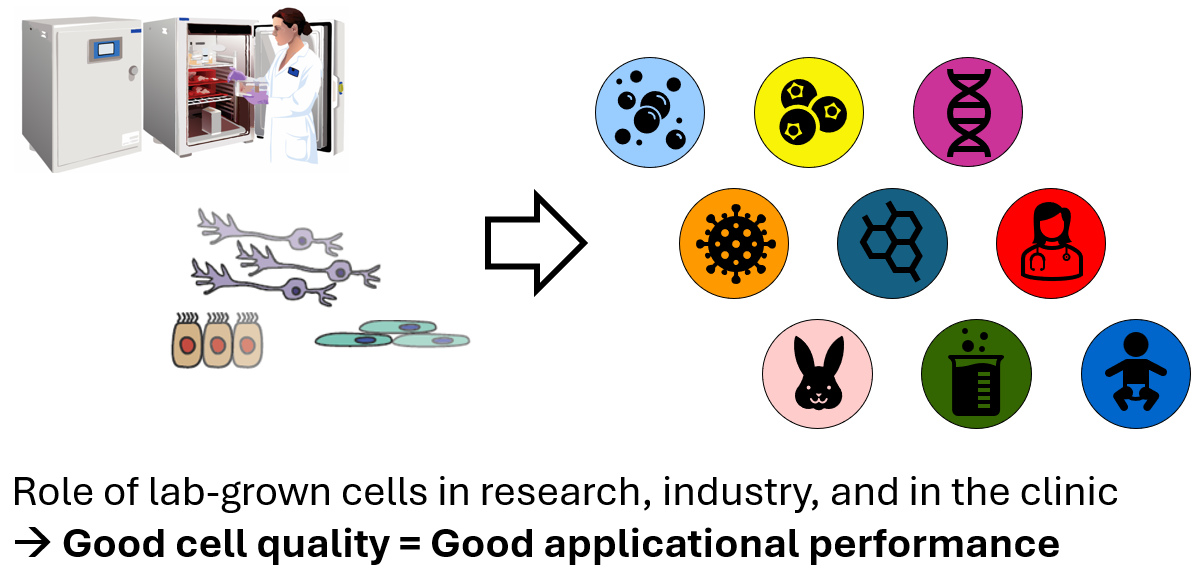
The Importance of Lab-grown Cells
Sorbus Biomedical is a next-generation innovation company founded to solve a long-standing problem in academia, industry and the healthcare sector.
Our vision is simple yet bold: break the status quo and bring to market a revolutionary instrument that will replace traditional equipment worldwide as the new gold standard in cell cultivation.
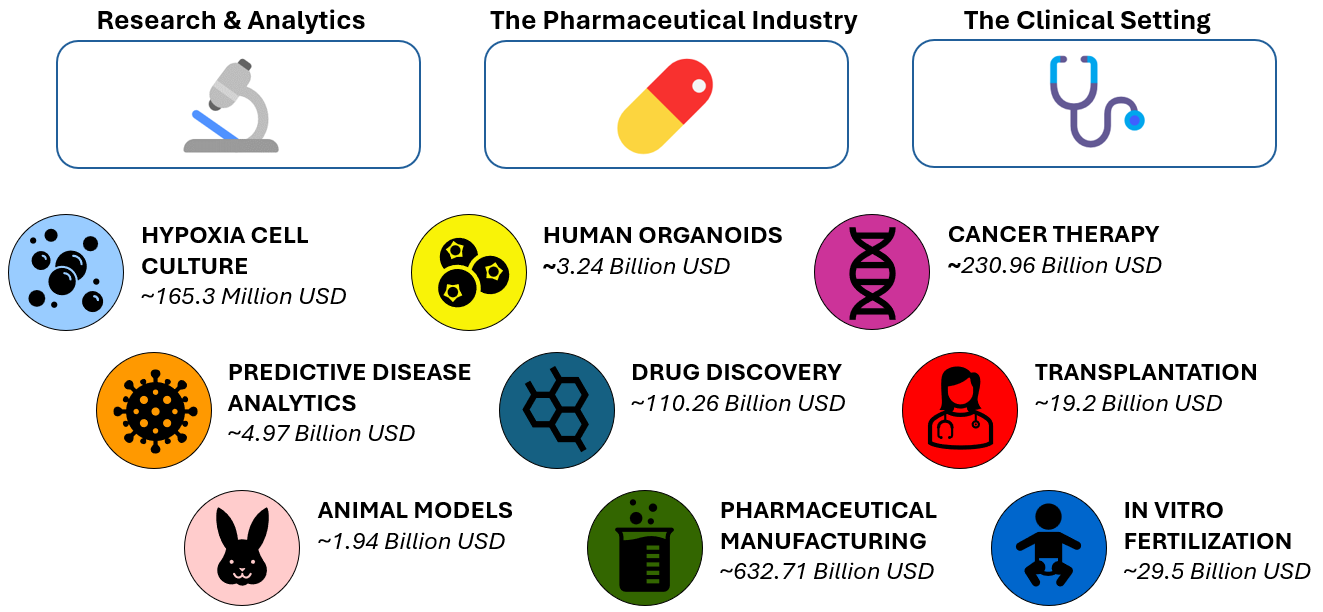
Cells grown outside the body in the lab environment are critically needed in several important applications, ranging from disease models, drug development, pharmaceutical manufacturing, clinical transplantation, and IVF. No matter the application, good outcome is dependent on good quality in the cells being used.
The Limitations of Conventional Technology
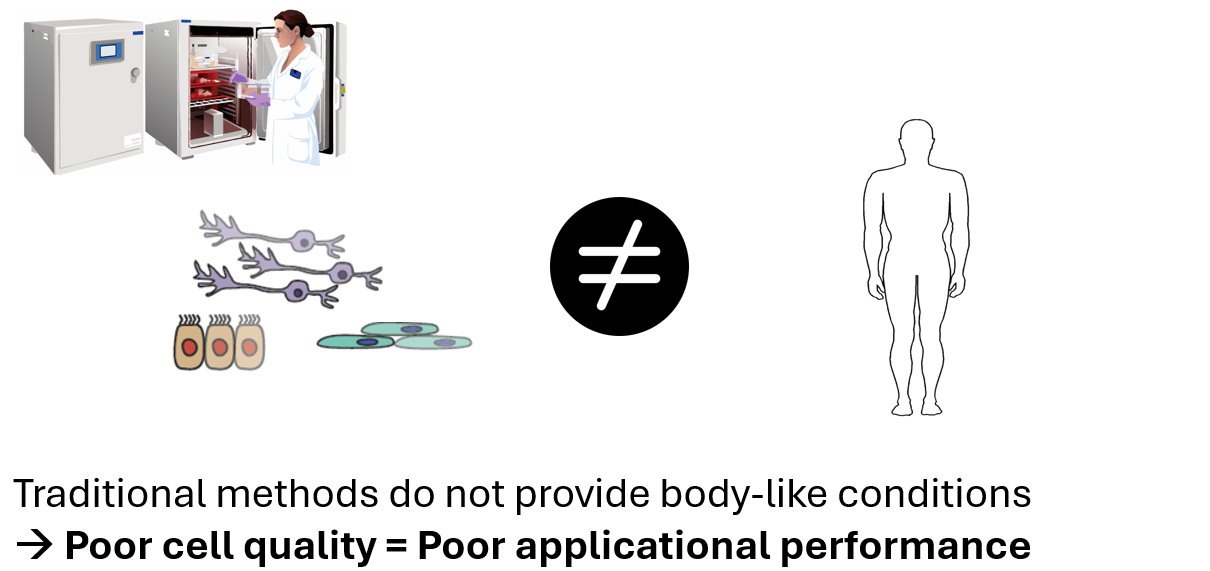
However, the traditional incubator technology conventionally used for growing cells in the lab are severely limited in their ability to sustain good cell quality. By being incapable of recreating environments similar to what the cells naturally have in the body, reliance on traditional equipment for cell-based applications directly result in poor cell performance and outcomes.
Consequently, reduced functional quality constitute a major problem for users dependent on lab-grown cells across the life science sector.
Technology for Efficiently Growing High Performance Cells
Seeing the scope of this problem in cell cultivation Dr. Roger E. Rönn, after completing his PhD in developmental hematology and stem cell biology (click for PhD thesis), recognized the need for more capable technology, to which Sorbus Biomedical was founded.
Improving Biological Performance
Moving away from the limitations of traditional methods, the Sorbus Cultivation Instument (SCI) is uniquely capable of providing dynamic and stable body-like conditions to lab-grown cells, providing significant and quantifiable improvements as compared to conventional incubators.
Confirmed to support the growth of a widening list of cells and tissues (see list), SCI enables superior cell cultivation environments across the full range of In Vitro applications. As an example of technological utility, independent third-party trials focusing on the health and output of human lung cancer organoids demonstrated major and significant improvement as compared to conventional incubators.
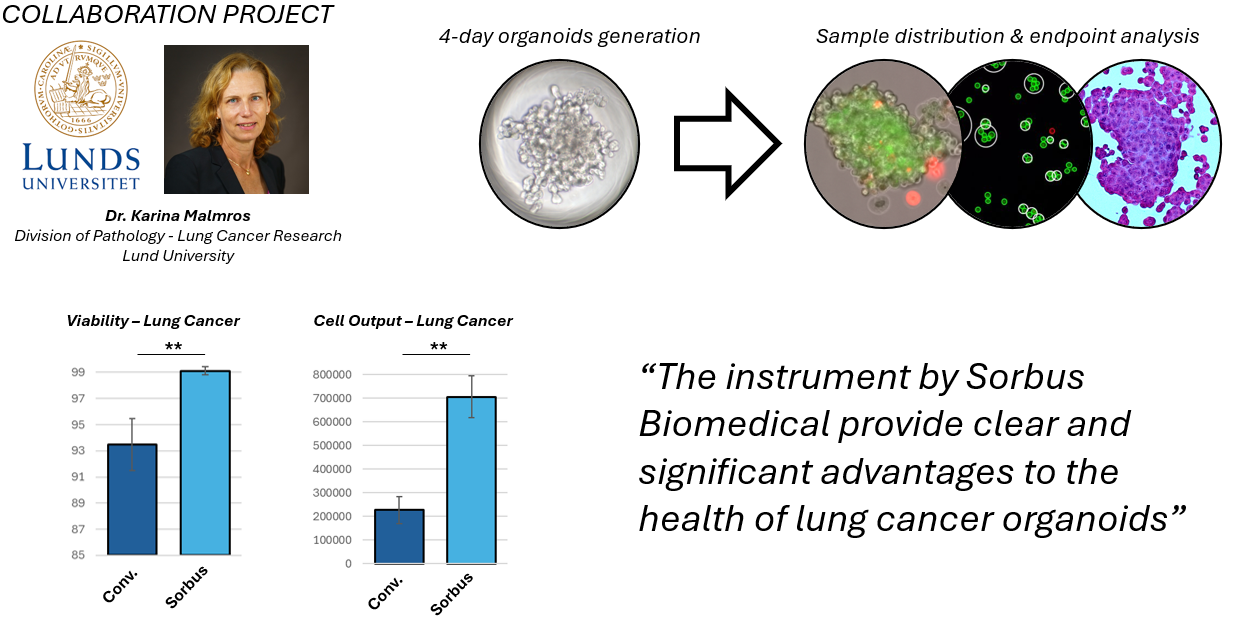
In addition, due to norm-breaking design and work methodology, resource consumption of compressed gas was reduced by >90% in similar bench-marking trials, providing major reduction to operational cost as well as a method to directly reduce negative environmental impact.
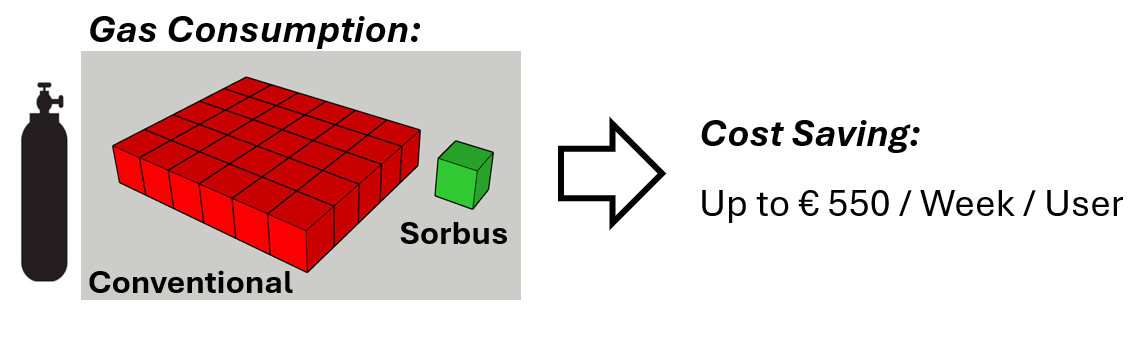
Reducing Cost and Resource Consumption
Creating Value Across Life Science Applications
Fields of Use for Lab-grown Cells
Capable of significantly improving the full spectrum of applications dependent on lab-grown cells, this instrument technology is intended to replace the common cell incubator at a global scale, adding major advantages to a market with a combined value of > 1 trillion USD based on CAGR estimates.